


Thoughts on drape and drama
A transparent look inside our creative process. Here, we document the chalk lines, fabric sourcing, and design philosophies that shape our custom-draped silhouettes, ensuring wearable drama coexists with absolute ease.
فن وعملية تصميم فساتين الزفاف
تحتل أزياء الزفاف مكانة خاصة تختلف عن باقي عالم الموضة. فعلى عكس الملابس اليومية، يُصمَّم فستان أو بدلة الزفاف من أجل يوم واحد لا يتكرر — وهذا يعني أن عملية التصميم تتطلب مزيجاً نادراً من الدقة التقنية، والحساسية العاطفية، والرؤية الفنية.
١. فهم العروس
يبدأ كل تصميم زفاف بحوار، لا برسم. يقضي المصممون وقتاً في التعرّف على شخصية مرتدي الفستان، وأجواء مكان الزفاف، والموسم، والطابع العاطفي الذي يرغبون في تجسيده — سواء كان رومانسياً، أو بسيطاً، أو فخماً، أو جريئاً. وغالباً ما تتضمن هذه المرحلة نقاش شكل الجسم، ومتطلبات الراحة، والتقاليد الثقافية أو الدينية التي يجب أن يحترمها الزي.
٢. الفكرة والرسم التخطيطي
بعد وضوح المتطلبات، ينتقل المصممون إلى الرسومات الأولية. تستكشف هذه الرسومات المبكرة القَصّة العامة (خط A، حورية البحر، فستان الكرة، الخط المستقيم)، وخطوط الرقبة، وأنماط الأكمام، والتناسب العام. وعادةً ما تُعرض عدة أفكار على العميلة لتتفاعل معها وتُبدي رأيها قبل قصّ أي قماش.
٣. اختيار الأقمشة والخامات
قد يُحدث اختيار القماش فرقاً جوهرياً في نجاح التصميم أو فشله. فالحرير والساتان والشيفون والدانتيل والتُّل والأورجانزا، كلٌّ منها يتصرف بطريقة مختلفة — فبعضها يتدلى بنعومة، وبعضها يحافظ على تماسك الشكل. وغالباً ما يبحث المصممون عن أقمشة خاصة، أو تطريزات مرصّعة بالخرز يدوياً، مع الموازنة بين التأثير الجمالي وسهولة الارتداء والوزن والموسم.
٤. صناعة الباترون والتدريب على المانيكان
هنا يتحول التصميم إلى شكل ثلاثي الأبعاد. يقوم صانعو الباترون بترجمة الرسومات إلى قوالب دقيقة، بينما تساعد عملية "الدريبينج" — أي تثبيت القماش مباشرة على مانيكان الخياطة بالدبابيس — المصممين على رؤية كيفية تحرك القماش وانسدال هيئته على الجسم. وتتكرر هذه المرحلة عدة مرات مع إجراء التعديلات حتى يصبح التصميم متماسكاً بالشكل المطلوب.
٥. النموذج الأولي (التوال)
قبل لمس القماش النهائي، يصنع المصممون نموذجاً أولياً يُعرف بـ"التوال"، مصنوعاً من قماش رخيص كالموسلين. يُجرَّب هذا النموذج على العميلة (أو على عارضة أزياء) لاختبار التناسب والحركة والراحة. وتُعد هذه المرحلة الفرصة الأخيرة لاكتشاف أي مشكلات في البنية قبل التعامل مع القماش النهائي المكلف.
٦. جلسات القياس والتعديل
عادةً ما تتضمن أزياء الزفاف عدة جلسات قياس على مدى أسابيع أو أشهر. وتُجرى التعديلات على منطقة الصدر والخصر وطول الفستان والأكمام للوصول إلى قياس دقيق يُبرز الجسم. ونظراً لأن الجسم قد يتغير قليلاً بمرور الوقت، فمن المعتاد إجراء جلسة قياس أخيرة قريبة من موعد الزفاف.
٧. الزخرفة واللمسات الأخيرة
تُضاف في هذه المرحلة أعمال التطريز اليدوي، والخرز، والدانتيل المطبّق، والدعامات الداخلية. وغالباً ما تكون هذه المرحلة الأكثر استهلاكاً للجهد، إذ قد تتطلب مئات الساعات من العمل اليدوي لفستان واحد فقط.
٨. التصنيع النهائي وفحص الجودة
يُجمَّع الزي بشكله النهائي، وتُنهى الخياطات، وتُثبَّت البطانات، ويُفحص كل تفصيل — من السحابات إلى الأزرار والخطافات — للتأكد من متانته وراحته، إذ تحتاج مرتديته إلى الحركة والجلوس والرقص والتصوير فيه لساعات طويلة.
٩. لحظة أخيرة
يُعرض الزي في صورته النهائية، غالباً خلال جلسة القياس الأخيرة التي تتحول إلى لحظة عاطفية للعميلة — تتويجاً لأسابيع أو أشهر من التعاون بين الرؤية والحرفية.
في نهاية المطاف، يُعد تصميم أزياء الزفاف حواراً بين الخيال والهندسة. فهو يتطلب من المصمم أن يترجم آمالاً شخصية عميقة إلى بنية قابلة للارتداء، مع الحفاظ في الوقت ذاته على احترام التقاليد والراحة وأهمية المناسبة الفريدة.
The Art and Process of Designing Bridal Wear
Bridal wear sits in a category of its own. Unlike everyday fashion, a wedding gown or suit is built around a single, unrepeatable day — which means the design process demands a rare blend of technical precision, emotional sensitivity, and artistic vision.1. Understanding the Bride (or Groom)
Every bridal design begins with a conversation, not a sketch. Designers spend time learning about the wearer's personality, the wedding's setting, the season, and the emotional tone they want to create — romantic, minimalist, opulent, or bold. This stage often includes discussing body shape, comfort needs, and cultural or religious traditions that the garment must honor.
2. Concept and Sketching
Once the brief is clear, designers move to concept sketches. These early drawings explore silhouette (A-line, mermaid, ballgown, sheath), necklines, sleeve styles, and overall proportion. Multiple concepts are usually presented, allowing the client to react and refine before any fabric is cut.
3. Fabric and Fabrication Selection
Fabric choice can make or break a bridal design. Silk, satin, chiffon, lace, tulle, and organza each behave differently — some drape softly, others hold structure. Designers often source specialty textiles, hand-beaded appliqués, or embroidered panels, balancing aesthetic impact with wearability, weight, and season.
4. Pattern Making and Draping
This is where the design becomes three-dimensional. Pattern makers translate sketches into precise templates, while draping — pinning fabric directly onto a dress form — helps designers see how the material moves and falls on the body. This stage is highly iterative, with adjustments made until the structure feels right.
5. The Toile (Muslin Prototype)
Before touching the final fabric, designers create a toile — a mock-up made from inexpensive material like muslin. This prototype is fitted on the client (or a model) to test proportions, movement, and comfort. It's the last chance to catch structural issues before expensive fabric is committed.
6. Fittings and Alterations
Bridal wear typically involves multiple fittings over weeks or months. Adjustments are made to the bust, waist, hem, and sleeves to achieve a precise, flattering fit. Because bodies can change slightly over time, a final fitting close to the wedding date is standard practice.
7. Embellishment and Finishing Details
Hand-sewn beading, lace appliqué, embroidery, and boning are added in this stage. This is often the most labor-intensive part of the process, sometimes requiring hundreds of hours of handwork for a single gown.
8. Final Construction and Quality Check
The final garment is assembled, seams are finished, linings are secured, and every detail — zippers, buttons, hooks — is checked for durability and comfort, since the wearer needs to move, sit, dance, and pose in it for hours.
9. The Reveal
The finished piece is presented, often through a final fitting that doubles as an emotional moment for the client — the culmination of weeks or months of collaboration between vision and craftsmanship.
KonfessionZ
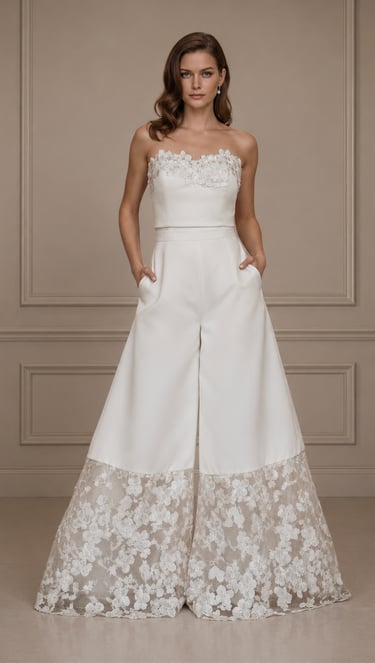
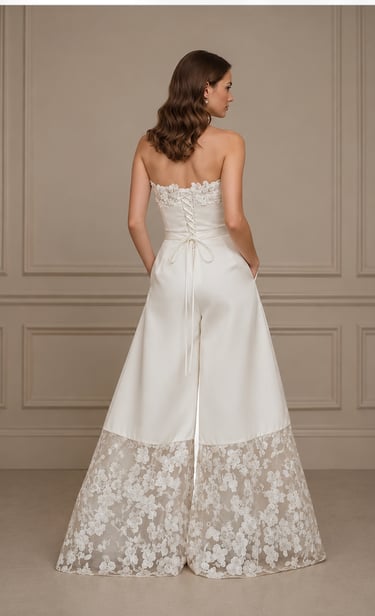
High-contrast tailoring that flatters and comforts.
Home-Collection-Journal-Inquire
© 2026 KonfessionZ-Custom-draped in our private studio.
WEARABLE DRAMA